No hot water at all
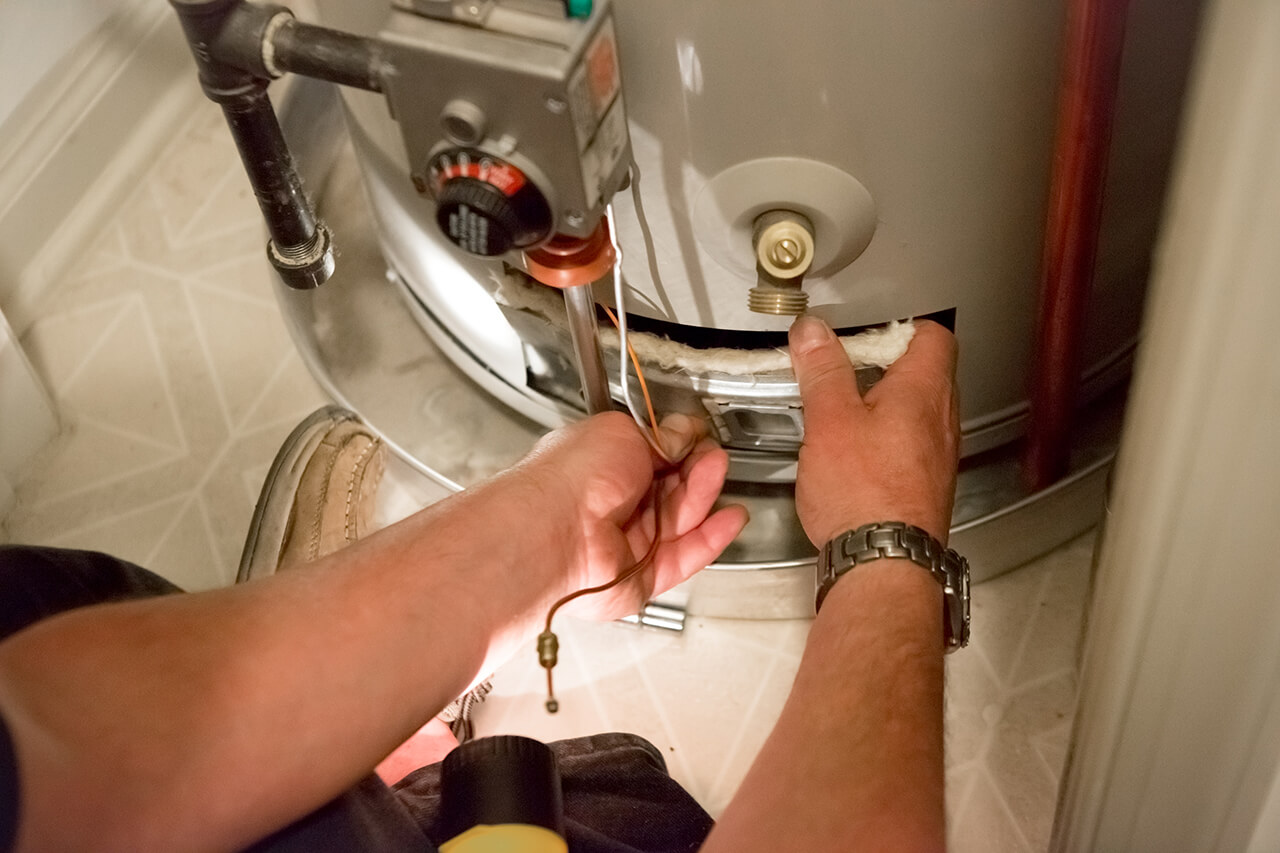
Likely cause: On gas units, a tripped pilot or failed thermocouple is most common; on electric units, it's usually a blown upper heating element or a tripped high-limit switch.
Our fix: On-site testing of the gas valve, thermocouple, or elements, with replacement parts carried on the truck for most models. See our no-hot-water troubleshooting guide for what to check before you call.
Rusty or discolored hot water
Likely cause: A corroding anode rod, or the start of tank corrosion — more common as a unit gets past its early years.
Our fix: Anode rod replacement if caught early; if the tank itself is corroding, we'll show you repair and replacement pricing side by side. See water heater maintenance for how to catch this earlier next time.
Popping or rumbling noises
Likely cause: Sediment buildup at the bottom of the tank, trapping and re-boiling water — common in units that haven't been flushed in a while.
Our fix: A full tank flush and sediment removal, which usually restores efficiency and quiets the unit right away. See our maintenance checklist for how often this should happen.
Water pooling at the base
Likely cause: Could be a loose drain valve or fitting (easy fix) or a cracked inner tank (not repairable). A failed pressure-relief valve can also cause dripping. Read more in our leaking water heater guide.
Our fix: We isolate the source right away — if it's the tank itself, we treat it as an emergency replacement. See emergency water heater repair if it's actively leaking now.
Inconsistent or fluctuating temperature
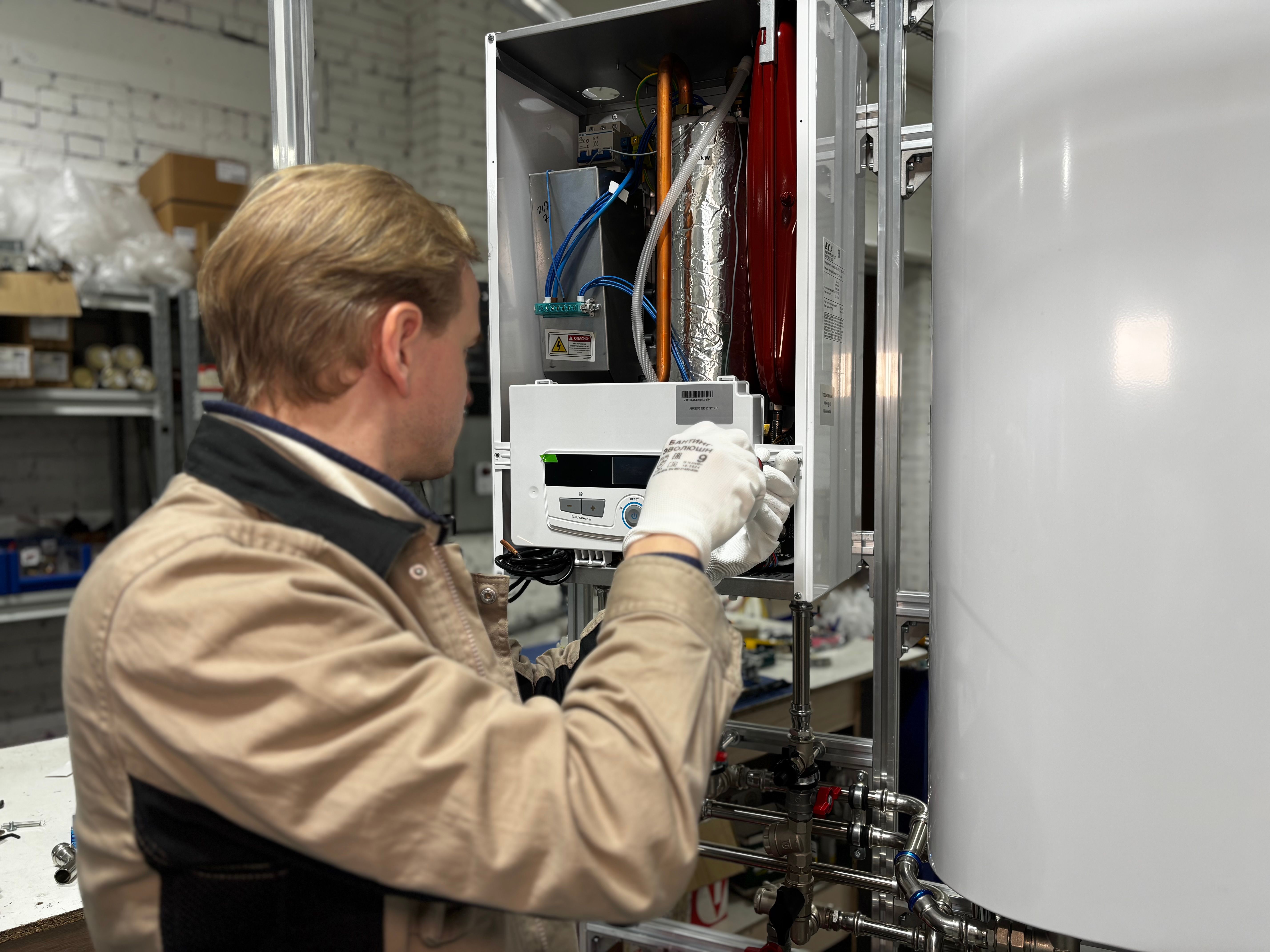
Likely cause: A failing thermostat, a lower heating element going out, or, on tankless units, a flow sensor or scale buildup restricting flow.
Our fix: Component-level testing to find the exact failure point rather than guessing, then a fair, honest repair. See tankless water heater repair for tankless-specific issues.