1. Gas water heater with no hot water
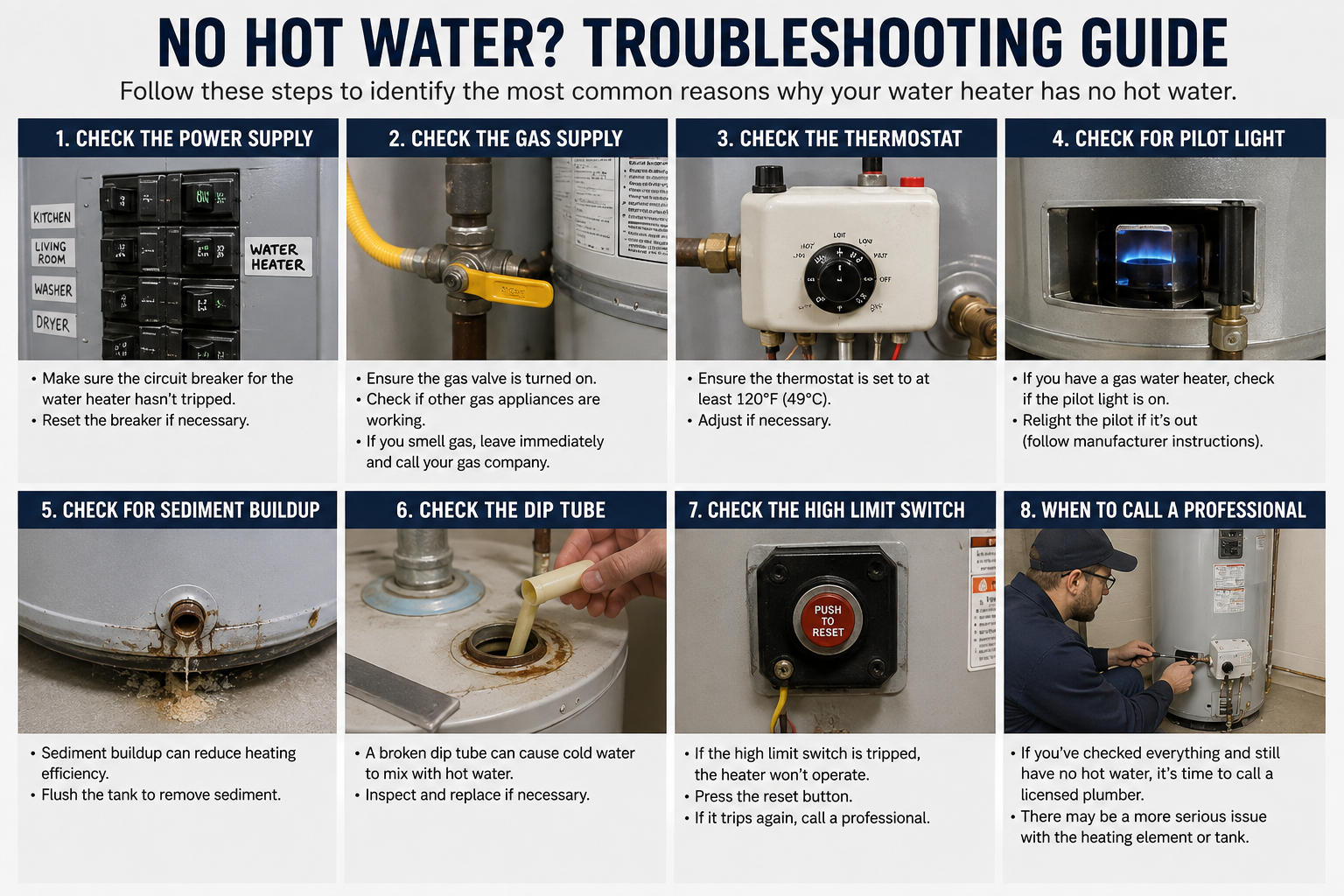
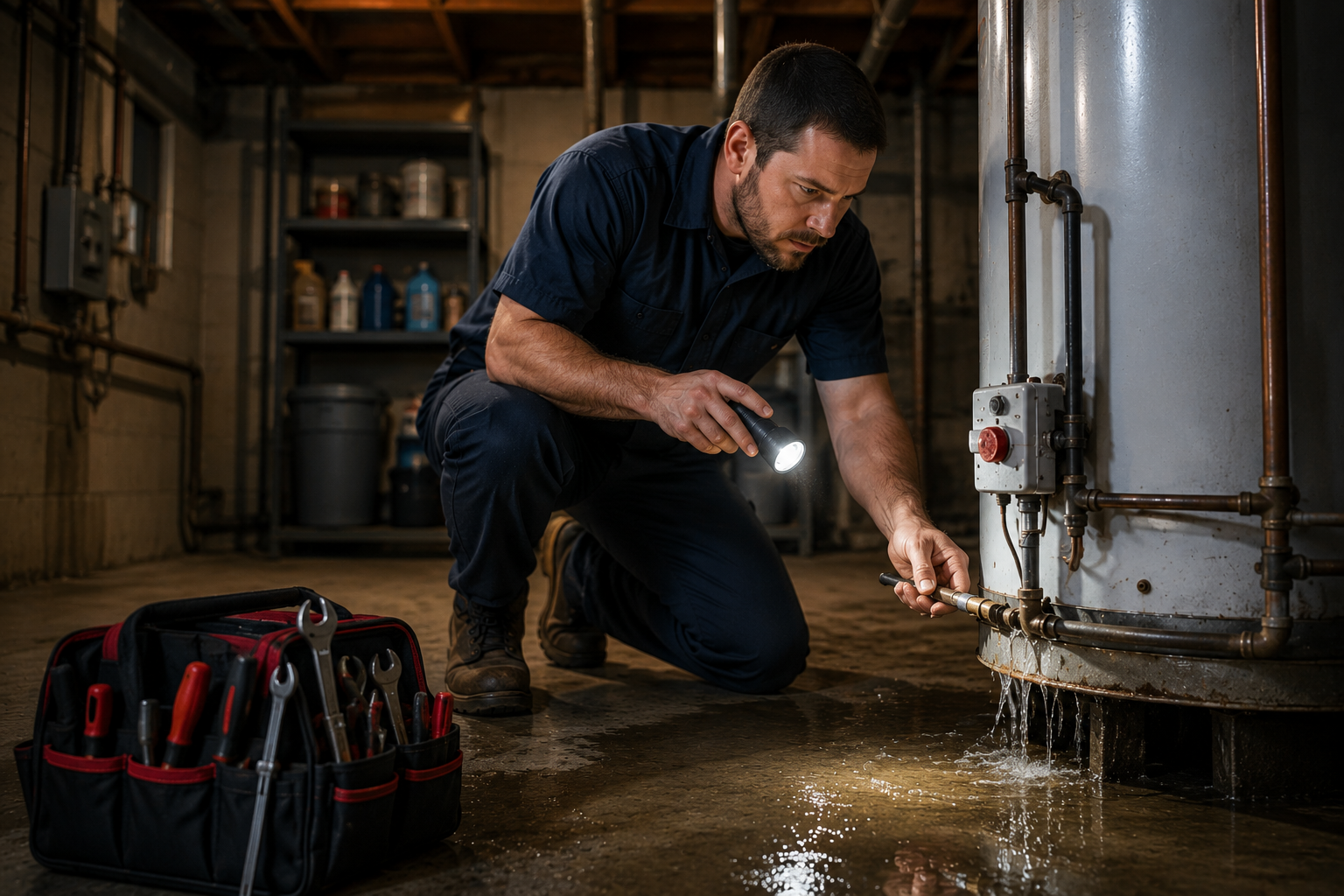
Start by looking at the front of the tank for a viewing window or access panel. If the pilot light is out, most units have relighting instructions printed right on the panel — if you're comfortable following them and there's no gas smell, that's a reasonable first step. If the pilot won't stay lit after relighting, the most common cause is a worn thermocouple, the small safety sensor that keeps the gas valve open once the pilot is burning. Also check that the gas supply valve, usually a lever on the pipe leading to the unit, is fully open and parallel to the pipe rather than turned crosswise. If the pilot is lit and the valve is open but you still have no hot water, the gas control valve itself may need to be tested by a technician.
2. Electric water heater with no hot water
Check your home's electrical panel first for a tripped breaker dedicated to the water heater, and reset it if needed. If the breaker is fine, most electric tanks have a red reset button, sometimes called the ECO or emergency cutoff, located behind the access panel near the upper thermostat. This button trips when water gets too hot and is a safety feature, not a defect by itself. Pressing it once is reasonable. If it trips again shortly after, or the breaker trips again, that usually means a heating element or thermostat has failed and is drawing too much current — at that point, stop resetting it and have it tested, since repeatedly resetting a tripped safety device isn't a fix.
3. Tankless water heater with no hot water
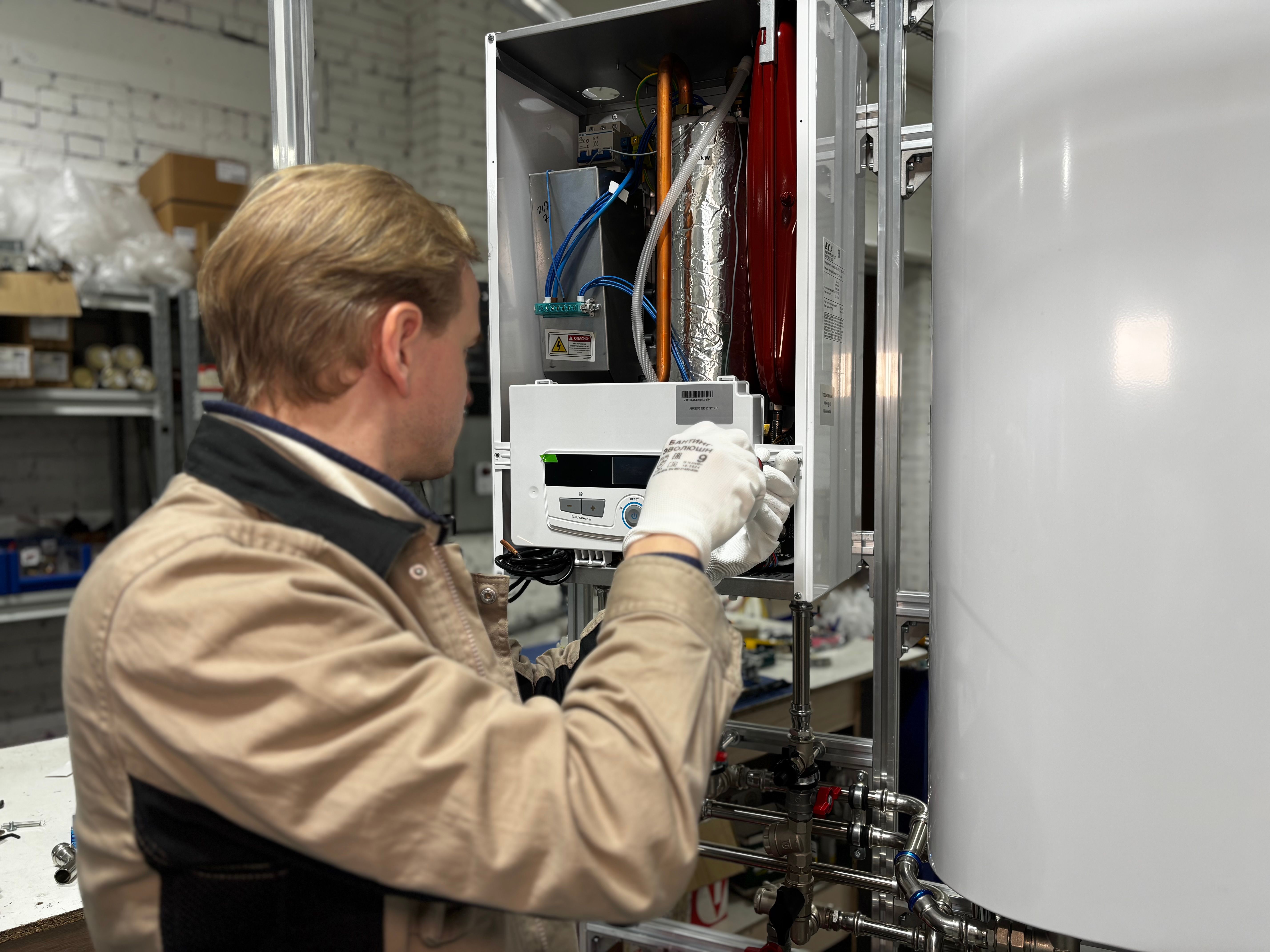
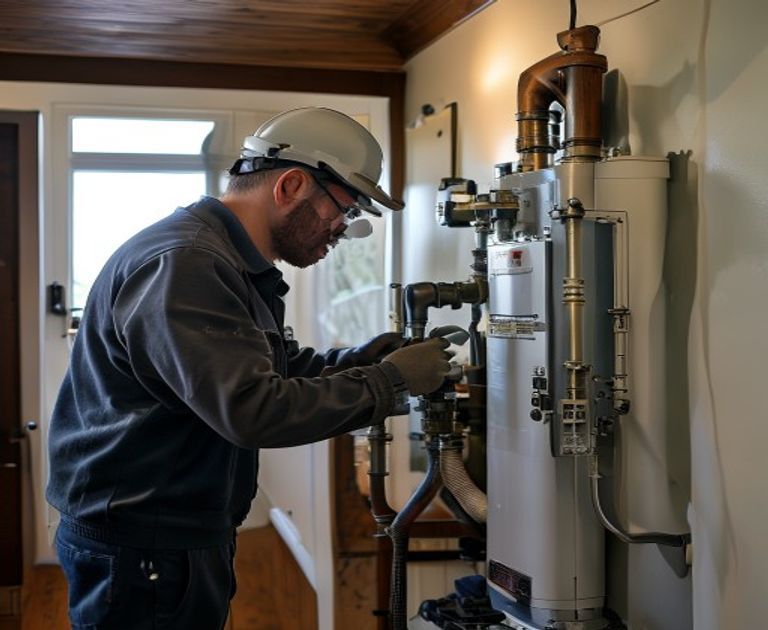
Tankless units almost always display a code or fault indicator when something's wrong, so check the digital display first and write down whatever it shows. Confirm the unit has power at the breaker or outlet, and on a gas model, confirm the gas supply valve is open. Tankless units also require a minimum water flow rate to activate, so a low-flow fixture or a partially clogged aerator can sometimes prevent the unit from firing even though nothing is actually broken. If the code persists after these basic checks, that code is genuinely useful information for a technician and will usually speed up the visit.
4. Only one fixture has no hot water
If every other tap in the house has hot water and just one doesn't, the water heater itself is very likely working fine, and the problem is local to that fixture. Check whether the shutoff valve under the sink or behind the access panel is fully open, since a partially closed valve can restrict hot water flow specifically. A single-handle faucet cartridge that's failed can also cause this, along with a rare case of the hot and cold lines being crossed during a past plumbing repair.
5. Any of the above, plus a gas smell
If you smell gas at any point during troubleshooting, stop immediately. Don't operate light switches or open flames, shut off the gas supply at the valve if it's safe to reach, ventilate the area, and call for emergency service right away. This is the one situation on this page where the right move is to stop troubleshooting entirely rather than keep working through the list.