(513) 810-5367

Water Heater Guide

How Long Does a Water Heater Last?

Every water heater has a working lifespan, but that number moves around more than most people expect. Here's what actually determines how long yours will last, what shortens it, and how to know whether your unit still has good years left.

  • Same-Day Diagnostic Visits
  • Honest, Upfront Pricing
  • Serving Cincinnati & Northern Kentucky
Professional Service
Same-Day Service
Gas • Electric • Tankless
Residential & Commercial
Emergency Service
Upfront Pricing

By Unit Type

Typical lifespan by water heater type

Tank and tankless units age differently, largely because of how each one is built and what actually wears out first.

Standard tank water heaters: 8 to 12 years

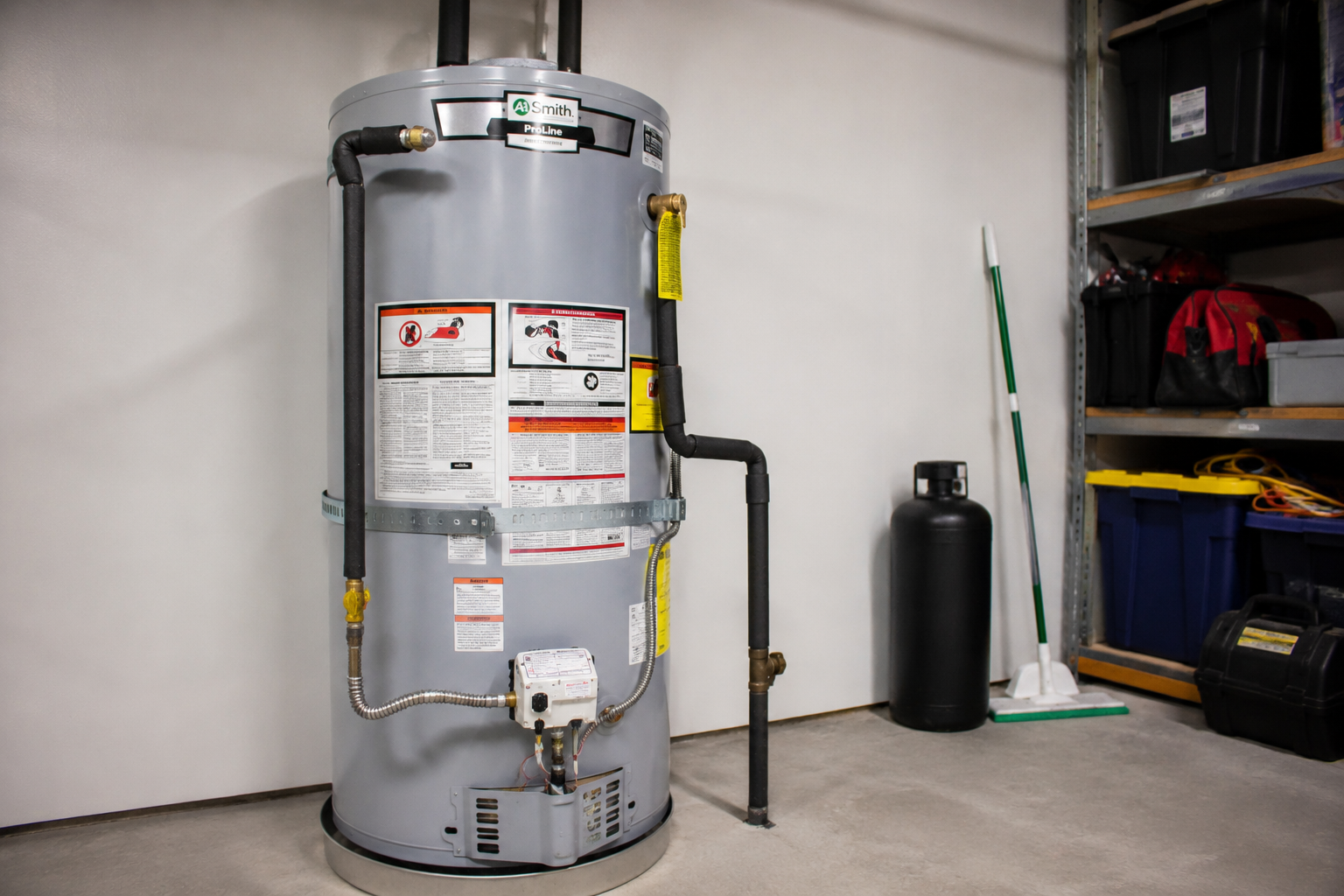
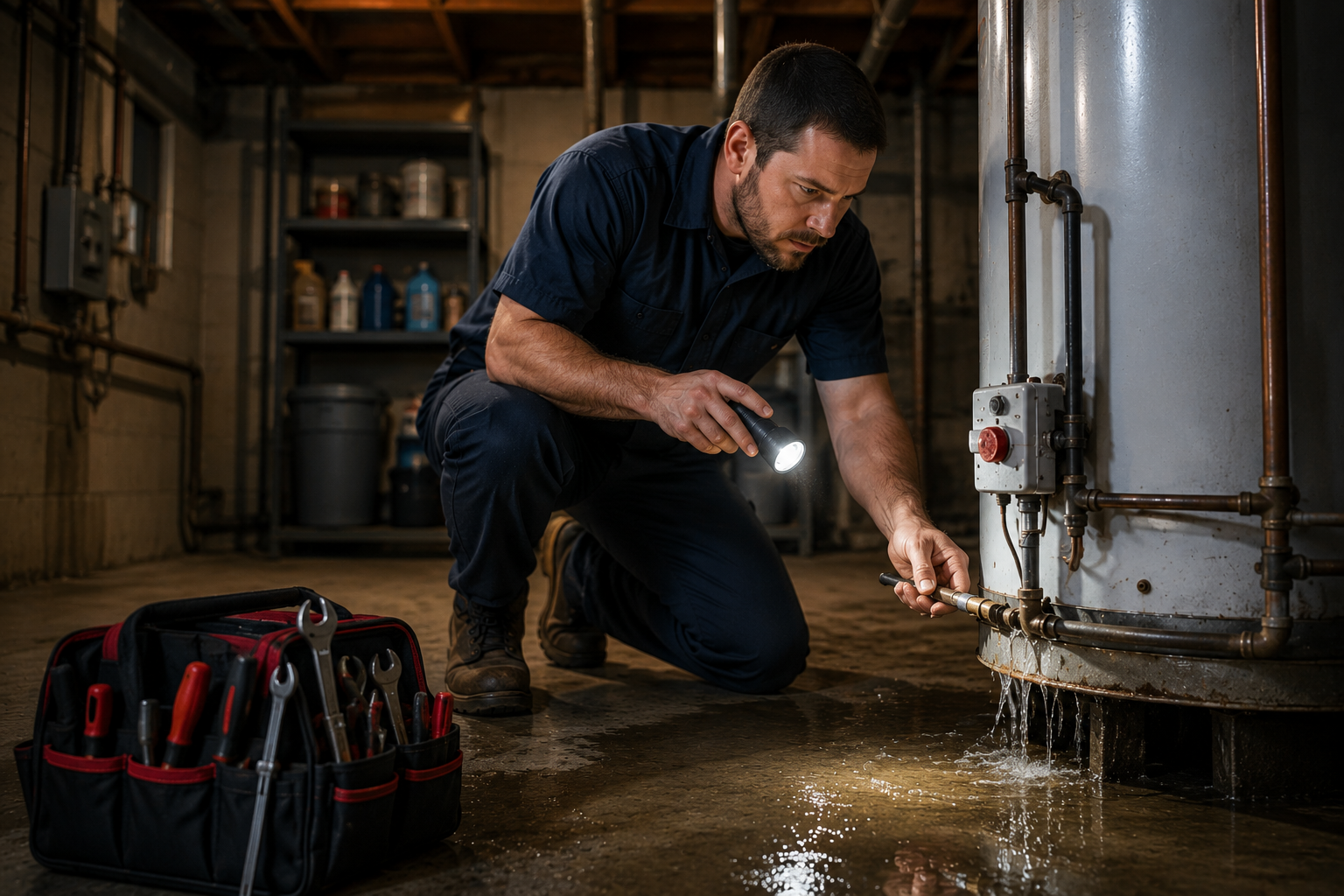
A conventional gas or electric tank water heater stores anywhere from 30 to 80 gallons of water inside a steel tank lined with glass or another protective coating. That lining is what keeps the steel from corroding on contact with water, and an anode rod is installed specifically to corrode in place of the tank itself. Once the anode rod is used up and the lining develops even small cracks, the tank starts rusting from the inside, and that process is not reversible. Most tank units land somewhere in the 8 to 12 year range before this becomes the limiting factor, though we've seen units fail earlier in harsh water conditions and others last well past 12 years with consistent maintenance.
Tankless water heaters: 15 to 20 years

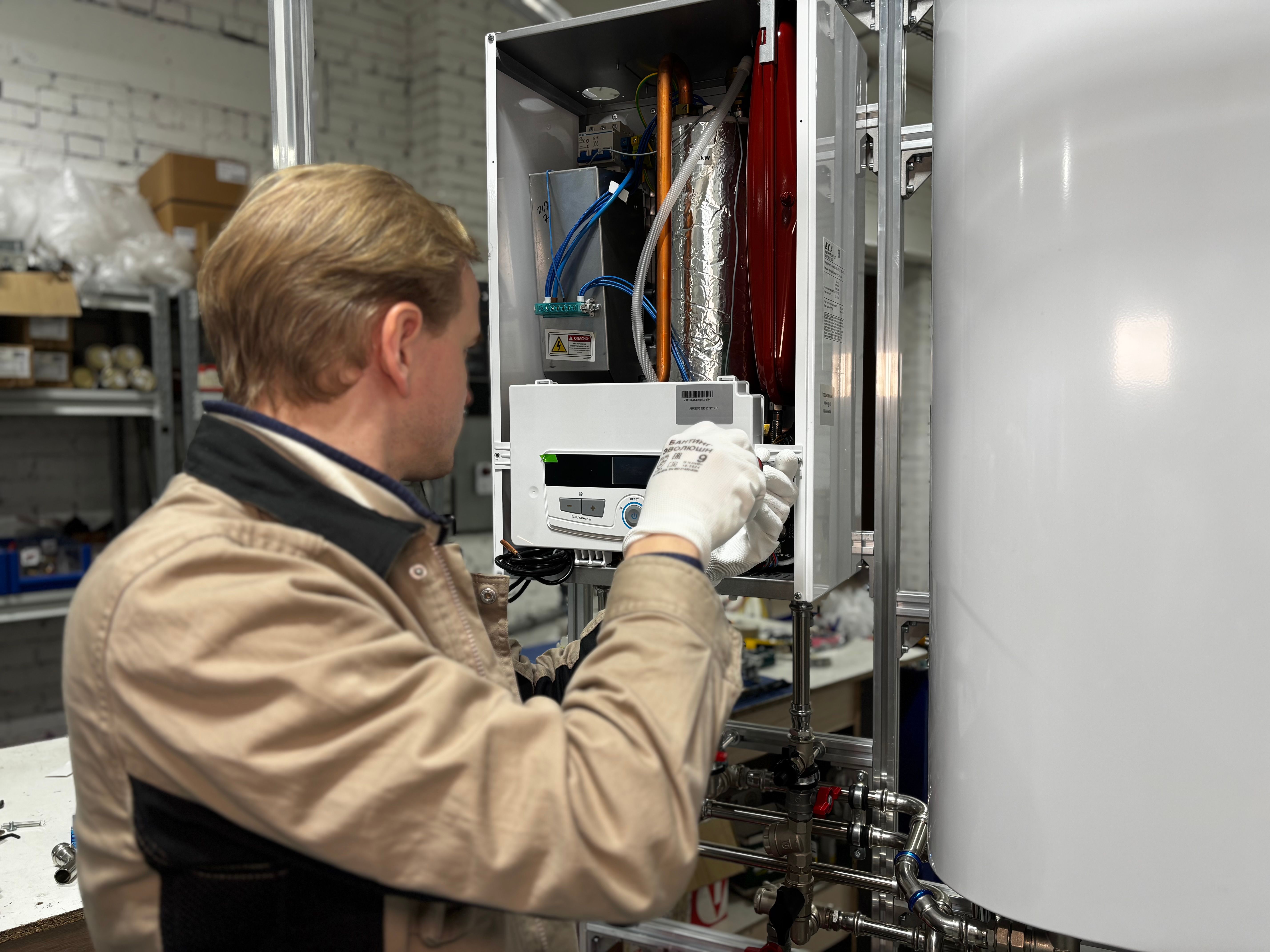
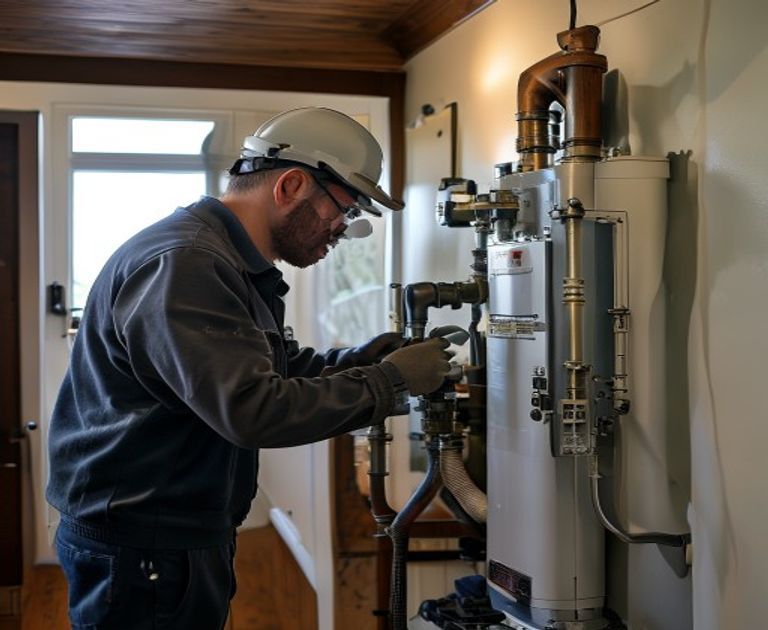
Tankless units don't store water in a tank that can corrode from the inside, which is the main reason they tend to outlast tank units. Instead, water passes through a heat exchanger and is heated on demand. The main long-term stress on a tankless unit is mineral scale building up inside that heat exchanger, which is why manufacturers recommend periodic descaling, especially in areas with hard water. A well-maintained tankless unit commonly reaches 15 to 20 years of service. Skipping descaling for years at a time is one of the more common ways we see tankless units fail earlier than that range. More on this in our tankless water heater repair page.

Hybrid heat pump water heaters: comparable to standard tanks, sometimes longer

Hybrid electric units still use a tank, so they're subject to the same corrosion dynamics as a standard tank water heater, and generally fall in a similar lifespan range. Some manufacturers report slightly longer average lifespans for these units, partly because the heat pump component does less of the direct heating work compared to a traditional electric element, which can mean less wear on some components over time.

Commercial and multi-tank systems: varies by usage and duty cycle

Commercial water heaters and multi-tank setups in apartment buildings or restaurants often see much higher daily demand than a residential unit, which can shorten the practical lifespan even on higher-capacity, higher-recovery equipment. Consistent maintenance matters even more in these settings, since the units rarely get a break. Our commercial water heater repair page covers what that maintenance and repair work typically looks like.

What Actually Shortens the Lifespan

Four factors that matter more than the brand name

Two identical water heaters installed the same week can end up with very different lifespans depending on these four things.

01

Water hardness

Hard water carries more dissolved calcium and magnesium, which settle as sediment in a tank or scale on a tankless heat exchanger. Both make the unit work harder and wear out its components faster than the same unit running on softer water.

02

Maintenance history

Annual flushing, anode rod checks on tank units, and descaling on tankless units are the biggest lever a homeowner actually controls. A unit that's never been serviced is working against sediment or scale buildup its entire life.

03

Installation quality

Incorrect temperature and pressure settings, poor venting, or an undersized unit for the household's demand all add unnecessary stress from day one, even before normal wear sets in.

04

Daily demand

A unit sized correctly for a household's actual hot water use will generally last longer than one that's constantly running at or beyond its intended capacity, whether that's a tank being drained repeatedly or a tankless unit running near its max flow rate for long stretches.

Checking Your Own Unit

How to tell how old your water heater actually is

Most homeowners don't know the exact age of their water heater, and that's usually the first thing worth figuring out.

Check the serial number on the manufacturer's label

Most water heaters have a rating label, usually on the upper portion of the tank, that includes a serial number encoding the manufacture date. The exact format differs by brand: some spell it out directly, while others use a letter-and-number code tied to the month and year of production. If the label is faded or the code isn't obvious, a technician can typically identify the age during a routine visit.

Think about when the home was purchased or renovated

If you don't have paperwork and the label is unreadable, the age of the unit relative to a known renovation or purchase date can at least put you in the right range, especially combined with visible wear like rust streaks on the tank exterior or a noticeably dated-looking control panel.

Combine age with condition, not age alone

Two units of the same age can be in very different condition depending on maintenance and water quality. Age tells you where you likely stand in the general lifespan range; a look at actual signs of wear, covered in our guide to signs your water heater needs repair, tells you whether that age is starting to matter yet.

When to Call a Professional

Getting an honest read on your specific unit

A technician can tell you more in a single visit than any general age chart can.

  1. 1

    Confirm the actual age

    We can read the manufacturer's date code and tell you exactly where your unit sits in its expected lifespan.

  2. 2

    Check the anode rod and tank condition

    A visual and functional check tells us whether the tank is still protected or already starting to corrode.

  3. 3

    Test the components actually in question

    If a specific symptom brought you to this page, we test the relevant part rather than guessing at the cause.

  4. 4

    Give you real numbers for repair and replacement

    You see both costs side by side, in writing, before deciding anything.

  5. 5

    Help you plan, not just react

    If replacement is a year or two out rather than urgent, we'll tell you that too, so you can plan on your own timeline.

Frequently Asked Questions

Common questions about water heater lifespan

Most standard tank water heaters last somewhere between 8 and 12 years, with 10 years being a commonly cited middle point. Where a unit falls in that range depends heavily on water quality, maintenance history, and how hard the unit has had to work.

Tankless units typically last longer than tank units, often in the range of 15 to 20 years, in part because they aren't storing water in a metal tank that can corrode. Lifespan still depends on descaling maintenance and water hardness, since mineral scale is the main long-term stress on a tankless heat exchanger.

Yes, meaningfully. Hard water carries more dissolved minerals, which settle as sediment in a tank or scale on a tankless heat exchanger. Both make the unit work harder to heat water and accelerate wear on internal components, which is why homes on harder water supplies often see shorter water heater lifespans without regular maintenance.

Yes. Annual flushing to remove sediment, periodic anode rod checks on tank units, and descaling on tankless units are the main things within a homeowner's control. None of these guarantee a specific lifespan, but skipping them consistently is one of the most common reasons a water heater fails earlier than expected.

Age combined with a new symptom. A five-year-old unit with a failed part is usually worth repairing. A ten-plus-year-old unit with a new issue, especially rusty water, a leak, or a second repair in a short span, is the point where replacement usually becomes the more sensible option.

The manufacture date is usually encoded in the serial number on the manufacturer's label, typically located on the upper portion of the tank. The format varies by brand, so if you can't decode it yourself, a technician can usually tell you the age during a service visit.

It depends on what's actually broken. A simple, inexpensive part failure might still be worth fixing even on an older unit. But if the tank itself is corroding or leaking, or if this is a second significant repair, replacement is usually the more cost-effective choice at that age.

Build quality varies somewhat between manufacturers and product tiers, but in most cases installation quality, water conditions, and maintenance have a bigger effect on real-world lifespan than the brand name on the unit.

In hard water areas, a whole-home softener can meaningfully reduce the sediment and scale buildup that shortens a water heater's working life. It's not a requirement, but it's a reasonable investment to discuss if you're on hard water and want to protect a new unit.

There's a reasonable case for it once a tank unit is well past 10 years old, since a sudden tank failure can mean a flooded utility space in addition to no hot water. Planning a replacement on your own schedule is generally less stressful and often less costly than replacing one after an emergency leak.

Get a Free Estimate

Not sure if your water heater still has good years left?

No obligation, no pressure. If it's an active leak, a gas smell, or you have no hot water right now, skip the form and call — our emergency repair service gets you seen faster.

  • We respond during business hours as quickly as we can
  • Estimates are free and come with no commitment
  • Serving Cincinnati and Northern Kentucky
(513) 810-5367

By submitting, you agree to be contacted about your request. We don't sell your information.